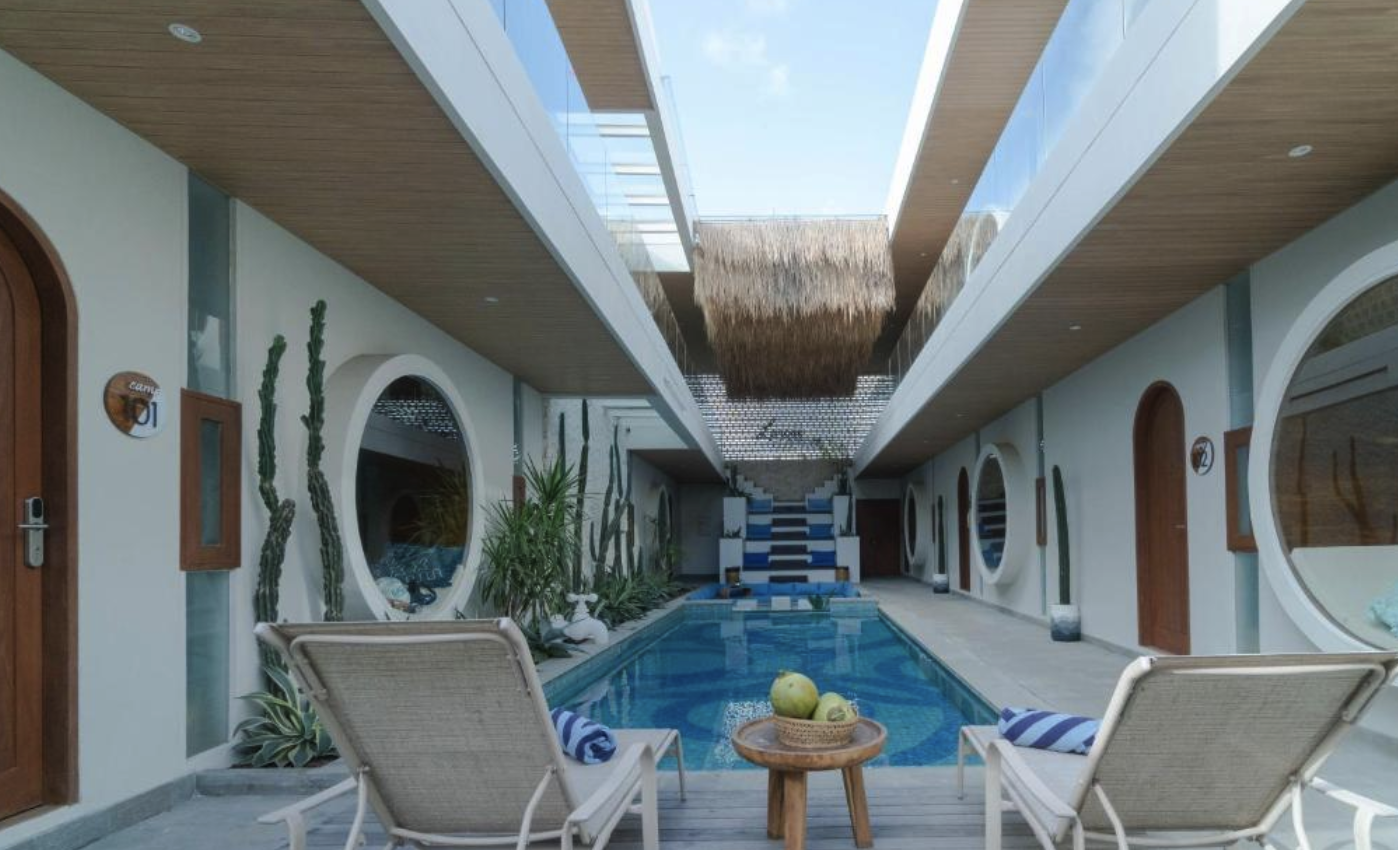

It starts as a two-week holiday. You arrive in Bali thinking it’s just another tropical escape—sunsets, smoothies, and beach photos. Then something changes. Mornings feel slower. Your stress fades. You catch yourself asking a dangerous question:
“What if I didn’t have to leave?”
This is the idea behind forever vacation Bali—not a holiday that never ends, but a lifestyle where work, life, and well-being finally feel balanced.
For many first-time visitors from the US, UK, Australia, and Europe, Bali becomes more than a destination. It becomes home. In this guide, Indogateaway breaks down what forever vacation in Bali really means, who it’s for, and how people are making it work—realistically.
What “Forever Vacation” Really Means in Bali
Let’s be clear: forever vacation Bali is not endless tourism. It’s a lifestyle where people blend work, rest, and culture in a way that feels sustainable.
Most people living this lifestyle:
-
Work remotely or run online businesses
-
Stay for months or years, not weeks
-
Choose slower routines over packed itineraries
According to Nomad List, Bali consistently ranks in the top 3 digital nomad destinations globally, thanks to cost, lifestyle, and community. That’s not an accident—it’s design plus culture.
Why Bali Became the World’s Forever Vacation Capital
1. Cost of Living vs Western Countries
Living well in Bali costs far less than most Western cities. A comfortable long-term lifestyle often ranges between $1,200–$2,000 USD per month, depending on area and housing style (based on expat cost-of-living surveys).
2. Infrastructure for Long Stays
From co-working spaces to private villas with fiber internet, Bali supports modern life. Areas like Canggu and Ubud were practically built for location-independent professionals.
3. Culture That Encourages Balance
Balinese daily offerings (canang sari), ceremonies, and communal life subtly shift your priorities. Many long-term residents report improved mental health after relocating (qualitative expat studies and interviews).
Best Areas in Bali for a Forever Vacation Lifestyle
Canggu: Remote Work & Creative Energy
Canggu is the epicenter of the forever vacation movement.
Best for:
-
Digital nomads
-
Entrepreneurs
-
Younger expats
You’ll find co-working hubs, cafés, beach walks, and stylish long-stay villas. It’s social, productive, and modern.
📌 Related inspiration: Romantic Place in Bali
Ubud: Slow Living & Wellness
Ubud attracts those who want quiet consistency, not parties.
Best for:
-
Writers, creatives
-
Wellness-focused expats
-
Couples seeking calm
Days here revolve around yoga, nature, and deep focus. It’s less about nightlife and more about routine.
Uluwatu: Privacy & Luxury Long Stay
Uluwatu is for people who want space—physically and mentally.
Best for:
-
Couples
-
High-income remote workers
-
Long-term luxury living
Clifftop villas, ocean views, and fewer crowds define this area.
Sanur: Calm, Mature, Long-Term Comfort
Often overlooked, Sanur is one of the most livable areas for long stays.
Best for:
-
Older expats
-
Families
-
First-time long-stay residents
Flat roads, calm beaches, and established services make daily life easier.
Real Cost of Living in Bali (Monthly Breakdown)
| Expense Category | Average Cost (USD) |
|---|---|
| Villa / Apartment | $600–1,200 |
| Food & Groceries | $300–500 |
| Transport | $70–120 |
| Internet & Utilities | $50–100 |
| Lifestyle & Leisure | $100–300 |
📊 Source context: Compiled from expat communities, Nomad List data, and Bali relocation agencies.
Visas That Make Forever Vacation Bali Possible
While not legal advice, these are commonly used options:
-
B211A Visa – Short-term to medium stays (extendable)
-
KITAS – For long-term residents, investors, or employees
-
Second Home / Golden Visa – Designed to attract foreign residents with assets
Indonesia has actively introduced these options to support long-stay tourism and foreign residents (government policy direction since 2022).
The Pros and Cons of Living in Bali Long Term
✅ Pros
-
Lower cost of living
-
Strong expat communities
-
Better work-life balance
-
Access to nature daily
❌ Cons
-
Bureaucracy can be slow
-
Traffic in certain areas
-
Cultural adjustment required
-
Not ideal if you need strict structure
Expert opinion: Forever vacation works best for adaptable, self-directed people—not those needing constant external order.
Is Forever Vacation Bali Right for You?
Ask yourself:
-
Can you work independently?
-
Are you comfortable outside your home culture?
-
Do you value time over material growth?
If yes, Bali may not just suit you—it may change you.
How to Start Your Forever Vacation Journey
-
Visit Bali for at least 30 days
-
Try two different areas
-
Rent short-term before committing
-
Talk to long-term expats
-
Research visas carefully
You can also explore curated experiences and tours to test the lifestyle: Forever Vacation
FAQ
Is forever vacation Bali legal?
Yes, with the correct visa and compliance.
How long can foreigners stay in Bali?
From 60 days to multiple years, depending on visa type.
Is Bali safe for long-term living?
Generally yes, especially in expat-friendly areas.
Can I work remotely from Bali?
Yes, many do—just ensure visa compliance.
Is Bali suitable for families long term?
Yes, particularly areas like Sanur and Ubud.
Why This Article Adds More Value (Self-Analysis)
Most articles romanticize Bali or focus only on tourism. This guide combines lifestyle reality, data-backed insight, and expert interpretation, helping readers decide—not just dream. It’s written for people considering real change, not just a holiday.
Final Thoughts: Is Forever Vacation Bali Your Next Chapter?
Forever vacation Bali isn’t about escaping life—it’s about redesigning it.
If you’re ready to explore a slower, richer way of living, Bali might already be waiting.
👉 Explore long-stay options, compare areas, and start planning your forever vacation with Indogateaway.