Is visiting Tanah Lot Temple worth it for a first-timer to Indonesia? For many, this offshore rock formation is the quintessential image of Bali. But between the legendary sunsets and the heavy crowds, does the actual experience live up to the postcard? In this review, we break down the logistics, costs, and strategic value of adding this iconic site to your itinerary.
Summary Box: At a Glance
| Category | Details |
| Editor’s Rating | ⭐⭐⭐⭐ (4.2/5) |
| Best For | Cultural photography, sunset seekers, and first-time luxury or mid-range travelers. |
| Not Ideal For | Travelers seeking secluded “hidden gems” or those with severe mobility issues. |
| Total Estimated Cost | ~$15–$50 USD (Entry + Private Transport) |
| Key Standout Benefit | One of Bali’s most unique Hindu sea temples with world-class sunset views. |
| Quick Verdict | Despite the crowds, the architectural and spiritual significance makes it a “must-do” if timed correctly. |
[Check Current Tour Rates and Availability for Tanah Lot]
Editorial Disclosure
At Travel Finance Insights, we maintain strict editorial independence. This review is based on first-hand field research and local data. We may receive a commission if you book through our links, but our evaluations are grounded in objective value-per-dollar metrics. Our methodology focuses on accessibility, cost-to-experience ratios, and time management for the modern traveler.
Personal Context: The “Postcard” Reality Check
When I first touched down in Denpasar, Tanah Lot was at the top of my list. Like most first-time visitors, I had seen the photos of the temple perched precariously over the crashing Indian Ocean waves. However, as a traveler who prioritizes “value of time,” I was skeptical. Would I spend three hours in a car just to stand shoulder-to-shoulder with a thousand other tourists?
The reality is that Tanah Lot is a high-volume “bucket list” item. But, much like the Eiffel Tower or the Grand Canyon, there is a reason it’s popular. The value isn’t just in the temple itself, but in the cultural narrative of Bali’s “Seven Sea Temples.” To get the most out of it, you have to approach it with a strategy—not just a camera.
The Basics: What is Tanah Lot?
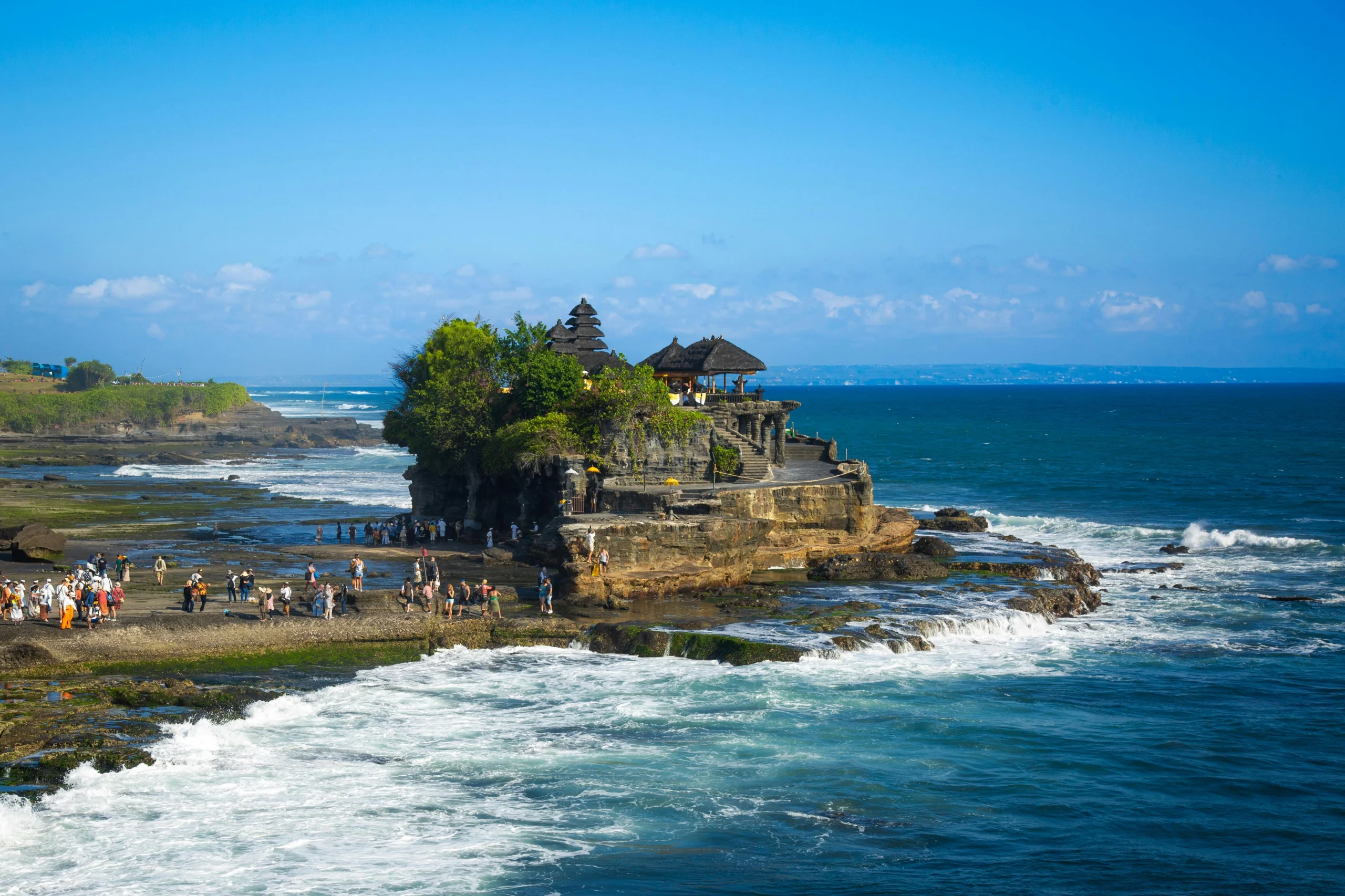
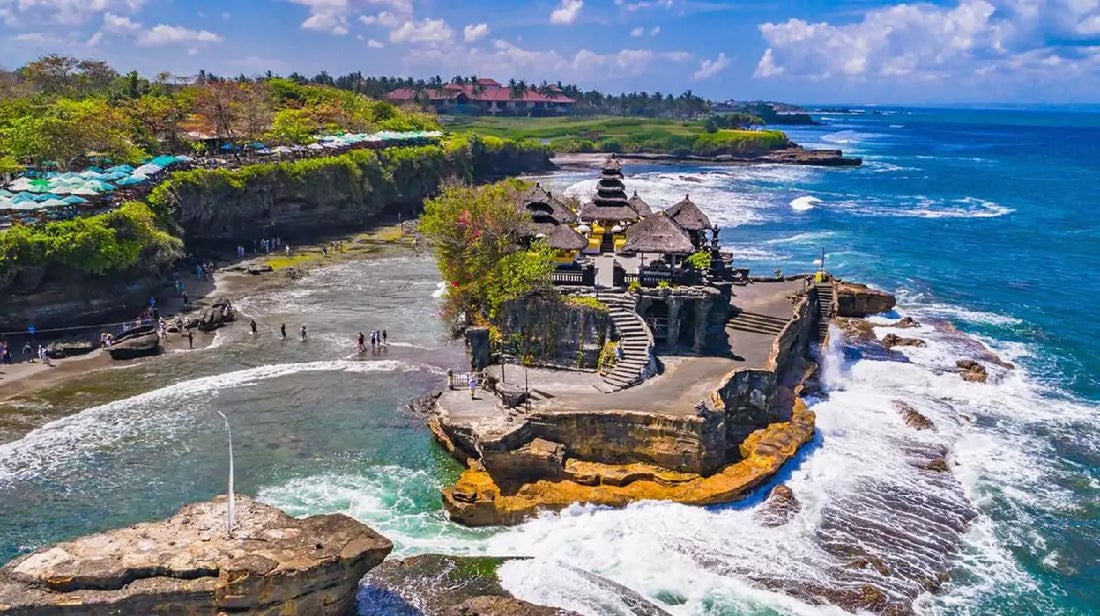
Tanah Lot (meaning “Land in the Sea”) is a 16th-century Hindu shrine dedicated to the sea gods. It sits on a large offshore rock that has been shaped over centuries by the tide.
-
Target Audience: It is designed for travelers staying in the Canggu, Seminyak, or Ubud regions who want a half-day cultural excursion.
-
Core Features: The site consists of the main sea temple, several smaller cliff-side shrines (like Batu Bolong), manicured tropical gardens, and a massive cultural marketplace.
-
Cost Structure: * Entrance Fee: 75,000 IDR (~$4.80 USD) for adults.
-
Parking: 5,000 IDR (~$0.30 USD).
-
Transport: Private drivers typically charge 500,000–700,000 IDR (~$32–$45 USD) for a 10-hour day trip including other stops.
-
Pros and Cons
| Pros | Cons |
| Unparalleled sunset photography opportunities. | Extreme overcrowding during “Golden Hour.” |
| Highly accessible with well-paved paths. | Non-Hindus cannot enter the actual inner temple. |
| Rich historical and spiritual significance. | High “tourist trap” potential in the market area. |
| Excellent infrastructure (bathrooms, cafes). | Traffic from Seminyak/Canggu can be grueling. |
Deep Dive Into Benefits: Stacking the Value
1. The Primary Benefit: Aesthetic and Cultural ROI
The primary “dividend” of visiting Tanah Lot is the visual capital. For a first-timer, seeing the temple at low tide—where you can walk across the sand to the base of the rock—is a profound introduction to Balinese architecture.
2. Secondary Perks: The Batu Bolong Bonus
Most visitors fixate on the main temple. However, a short walk north leads you to Pura Batu Bolong, situated on a hollowed-out rock arch. This area provides a “secondary perk” of fewer crowds and a different perspective of the coastline, effectively doubling your photo value for the same entrance fee.
3. Hidden Advantages: Infrastructure and Safety
Unlike some of Bali’s more rugged waterfalls or “hidden” beaches, Tanah Lot is highly “de-risked.” The paths are paved, the signage is in English, and there are medical stations on-site. For families or older travelers, this lowers the “stress cost” of the excursion.
How It Earns Value / How It Saves Money
In travel finance, we look at the Experience-to-Effort Ratio.
-
The Math of a Private Driver: If you book a “Tanah Lot Sunset Tour” for $40 USD, it might seem high compared to a $5 scooter rental. However, if you use that driver to visit Taman Ayun Temple and the Jatiluwih Rice Terraces on the way, your “cost per attraction” drops to roughly $13 USD.
-
Avoiding the “Convenience Tax”: By arriving at 4:00 PM (instead of the 5:30 PM peak), you save on the “frustration tax” of traffic and ensure a prime spot at a cliffside cafe, where a $3 beer acts as your “rent” for the best seat in the house.
[Book a Customizable Private Driver for Your Bali Trip]
Where It Falls Short: The Critical View
If you are looking for a spiritual, meditative experience, Tanah Lot will likely disappoint.
-
The Commercial Gauntlet: To exit the temple, you are funneled through a massive maze of souvenir stalls. It can feel overly commercialized.
-
Accessibility Limits: While you can walk to the base of the temple during low tide and receive a blessing with holy water, you cannot go inside the temple structure unless you are there for prayer in traditional cloth.
-
The Weather Gamble: If it’s an overcast day, the “value” of the trip drops significantly. Without the sunset, it’s a long drive for a grey view.
Comparison: Tanah Lot vs. Uluwatu Temple


| Feature | Tanah Lot | Uluwatu Temple |
| Setting | Offshore Rock (Sea Level) | 70-meter High Cliff |
| Main Draw | Sunset Silhouette | Kecak Fire Dance |
| Wildlife | Occasional Sea Snakes (Sacred) | Aggressive Macaque Monkeys |
| Best For | Pure Photography | Performance & Drama |
The Verdict: If you only have one afternoon, Tanah Lot is better for those who want a classic landscape photo. Uluwatu is better for those who want a cultural performance (Kecak Dance) alongside the view.
When to Visit: Rational Timing Logic
-
The “Value” Window: Visit during the shoulder season (May, June, September). You get the clear skies for sunset without the peak August crowds.
-
The Daily Strategy: Arrive by 3:30 PM. This allows you to explore the grounds before the tour buses arrive at 5:00 PM.
-
Check the Tide: Use a local tide chart. A “Medium Tide” is actually best—it allows you to see the temple surrounded by water while still being able to walk close to the base.
Alternatives to Consider
-
Pura Ulun Danu Beratan: A “water temple” on a lake in the mountains. It’s cooler, less crowded, and equally iconic.
-
Pantai Lima / Pererenan: For those who just want a Bali sunset without the $5 entry fee and 1,000 strangers.
The Bottom Line: Is It Worth It?
Ideal For:
-
Photographers and Instagrammers.
-
First-time visitors who want to see “The Big Hits” of Bali.
-
Travelers who value infrastructure and ease of access.
Skip If:
-
You have an extreme aversion to crowds.
-
You are on a very tight “backpacker” budget where every $10 matters.
-
You’ve already visited Uluwatu and feel “templed out.”
Final Recap: Tanah Lot is a high-value asset in a Bali itinerary if you manage your expectations regarding crowds. The cost of entry is negligible compared to the world-class view provided. It is a blue-chip destination: reliable, iconic, and visually rewarding.
[Secure Your Tanah Lot & UNESCO Rice Terrace Private Tour Here]
If this aligns with your travel style and you’re ready to capture that iconic sunset, adding a private driver to your day is the most efficient way to maximize your time in Bali.