Bali temples matter most to first-time travelers when they help you understand which sacred sites are actually worth your time, how to visit respectfully, and which ones fit your route instead of becoming random checklist stops. The real decision is not whether Bali has beautiful temples. It is which temple experiences match your trip style, pacing, and tolerance for crowds.
For many visitors, the smartest temple strategy is not trying to see everything. A better first trip usually means choosing a few temples with clearly different value: one for major architecture, one for sunset atmosphere, one for ceremony or purification, and one that fits your wider Bali route.
This guide helps you choose faster: which Bali temples are most worth prioritizing, what makes each one different, what etiquette matters most, and how to avoid common first-timer mistakes around dress, timing, and expectations.
Fast Pick: Which Bali Temples Should First-Timers Prioritize?
Use this shortcut before you start building your temple list.
Next step: compare your route with the Bali area fit guide, shape the day in the 5 to 7 day itinerary, and match timing in the best time to visit Bali guide.
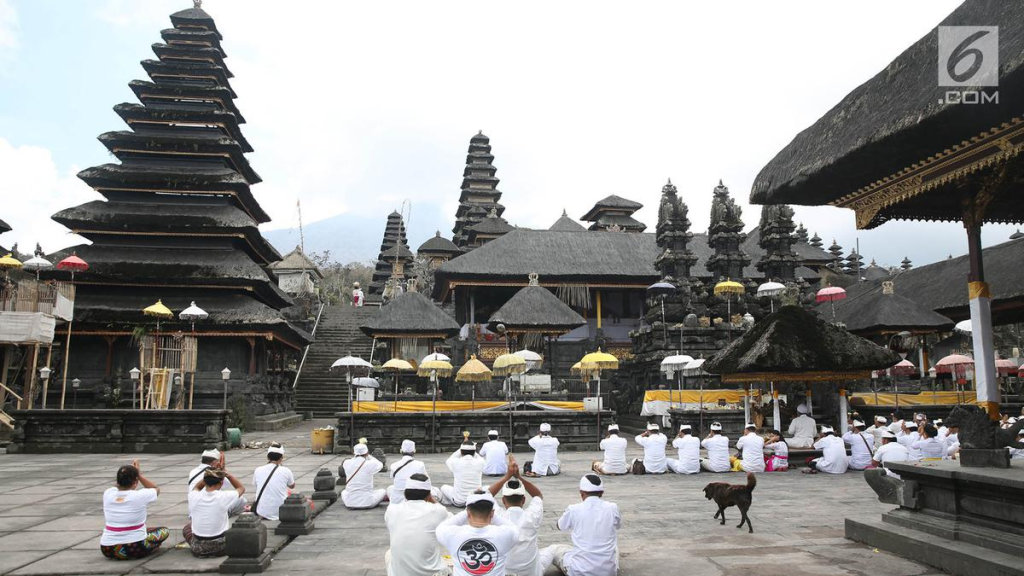
Part I: The Architecture of Harmony – Understanding the “Pura”
Part II: The Pillars of Bali – 5 Temples That Will Steal Your Heart
To experience the true breadth of Bali’s spirituality, you must visit these five legendary sites. Each offers a different “main value” to your journey.
1. Pura Besakih: The “Mother Temple” of All
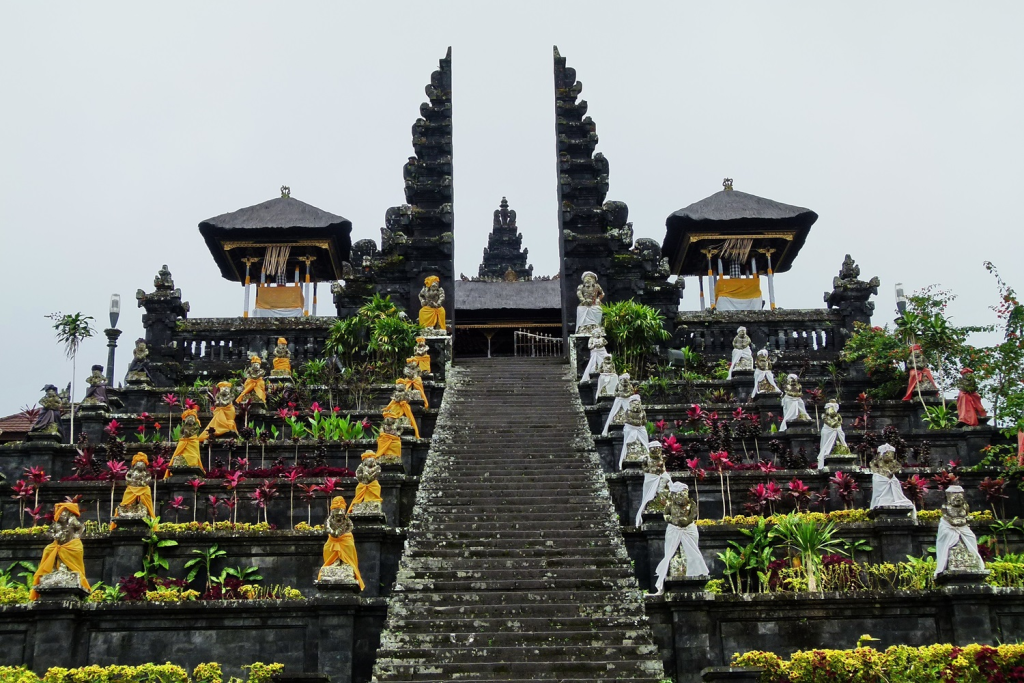
Perched 1,000 meters up the slopes of Mount Agung—Bali’s highest and most sacred volcano—Besakih is the spiritual center of the island.
- The Story: In 1963, Mount Agung erupted with devastating force. Lava flows missed the temple complex by mere yards. To the Balinese, this was a sign from the gods of Besakih’s profound protection.
- Why Visit: It is a massive complex of 86 individual temples. The view from the top, looking down over the clouds and the terraced valleys, makes you feel like you are standing at the entrance to heaven.
2. Pura Tanah Lot: The Guardian of the Sea
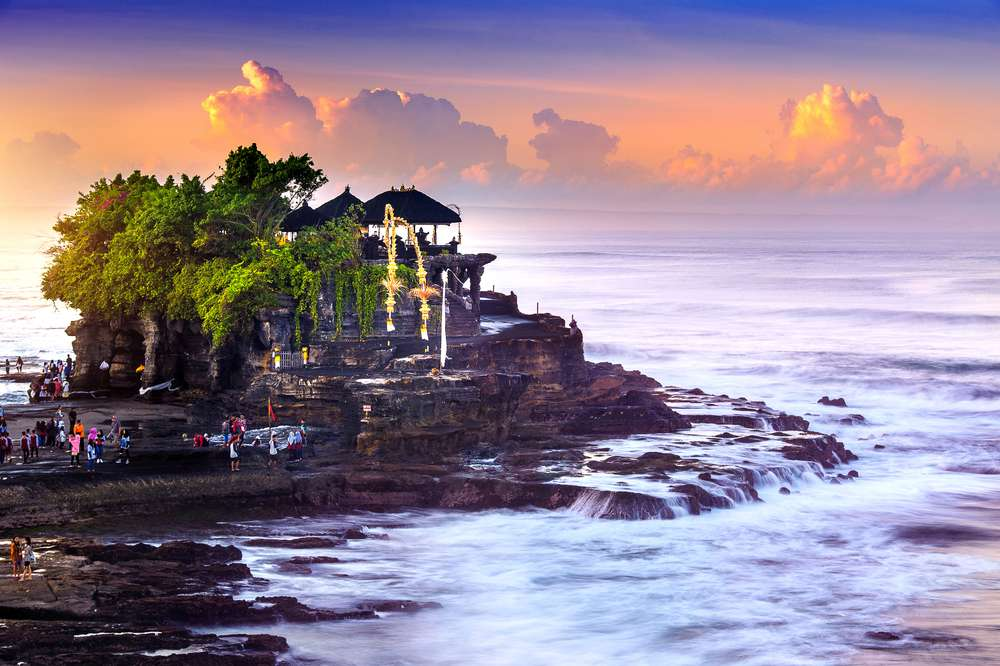
Located on a jagged offshore rock in the Tabanan Regency, Tanah Lot is perhaps the most photographed temple in the world.
- The Story: Legend says the 16th-century sage Nirartha spent the night on this rock. He told the locals it was a holy place and built a shrine there. To protect the temple, he transformed his sashes into sea snakes that supposedly still guard the base of the rock today.
- Why Visit: Go at low tide. You can walk across the sand to the base of the temple for a blessing with holy water. The sunset here, with the silhouette of the temple against the orange sky, is a memory that stays with you forever.
3. Pura Tirta Empul: The Holy Water of Purification
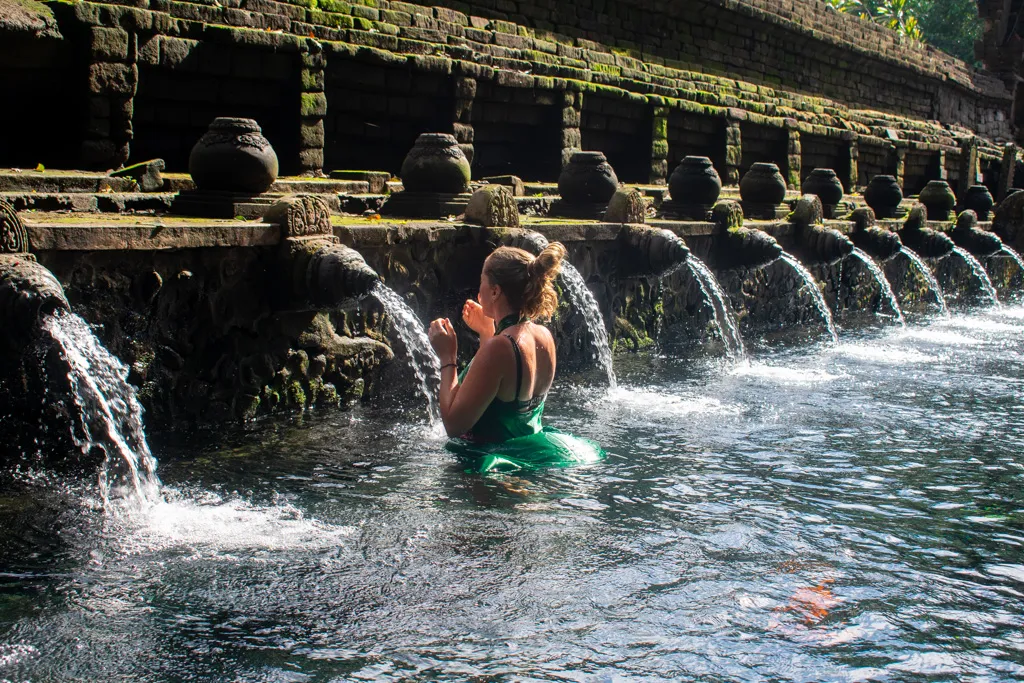
If you seek a “soul-cleansing” experience, head to the lush hills of Tampaksiring.
- The Story: Founded in 962 AD, the temple is built around a bubbling spring that is said to have been created by the god Indra to revive his army.
- Why Visit: Unlike other temples where you observe from afar, at Tirta Empul, you can participate. Visitors are welcome to join the Melukat ritual—stepping into the crystal-clear pools and moving through 13 sculpted fountains to cleanse the mind and spirit.
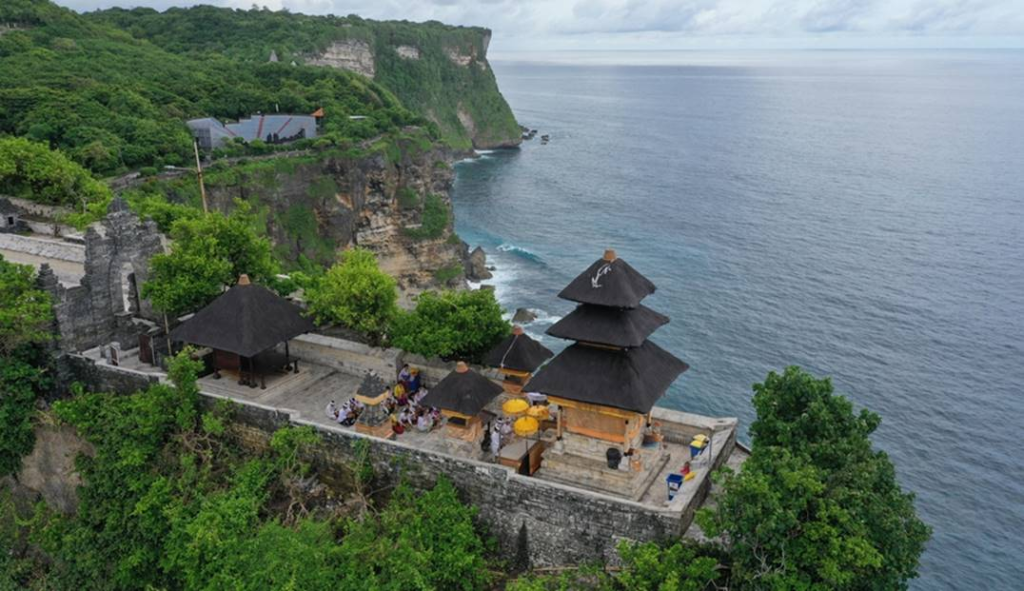
4. Pura Luhur Uluwatu: The Clifftop Sentinel
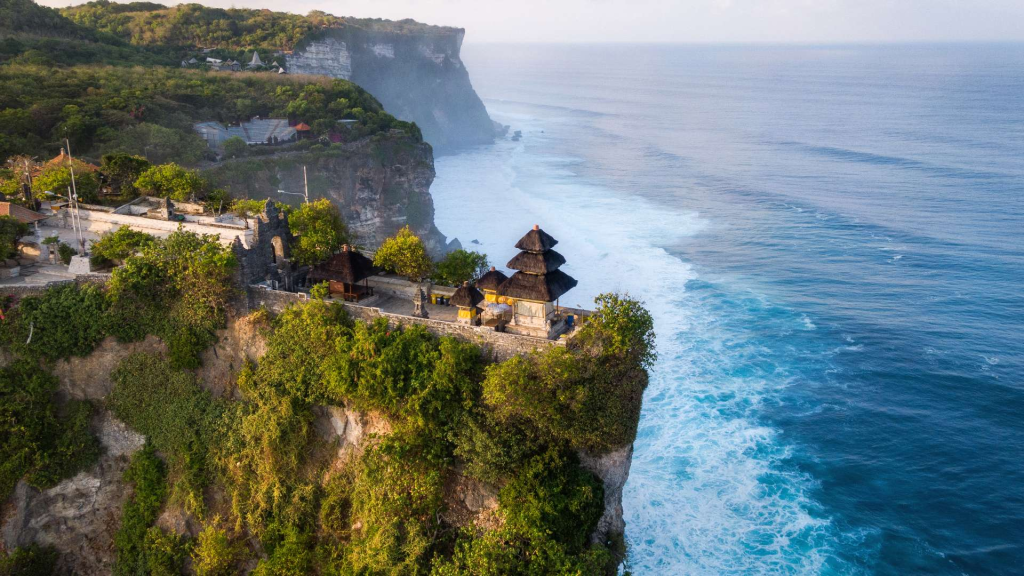
On the southern tip of Bali, Uluwatu sits on a cliff 70 meters above the crashing surf of the Indian Ocean.
- The Story: This is one of the six “Spiritual Pillars” believed to protect Bali from evil sea spirits. It is home to a tribe of “holy” monkeys who are notorious for their playful (and sometimes thieving) nature.
- Why Visit: It is the ultimate location for the Kecak Fire Dance. Watching 50 men chant in unison as the sun sets behind the temple is a visceral, hauntingly beautiful experience.
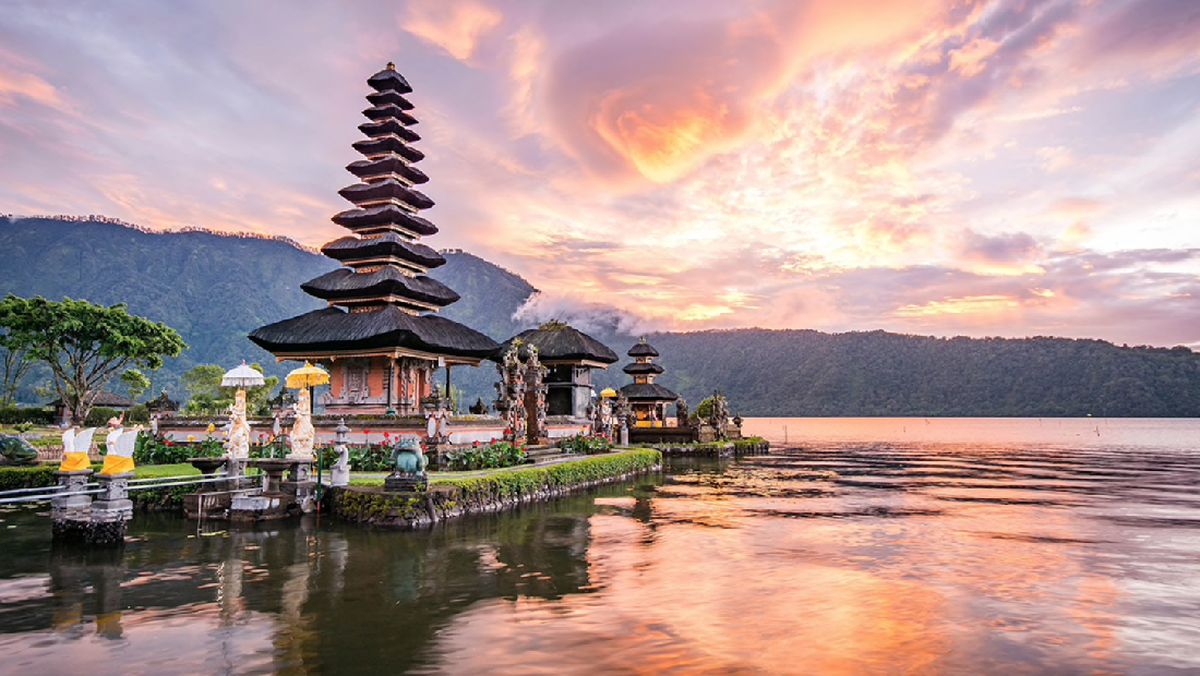
5. Pura Ulun Danu Beratan: The Floating Temple
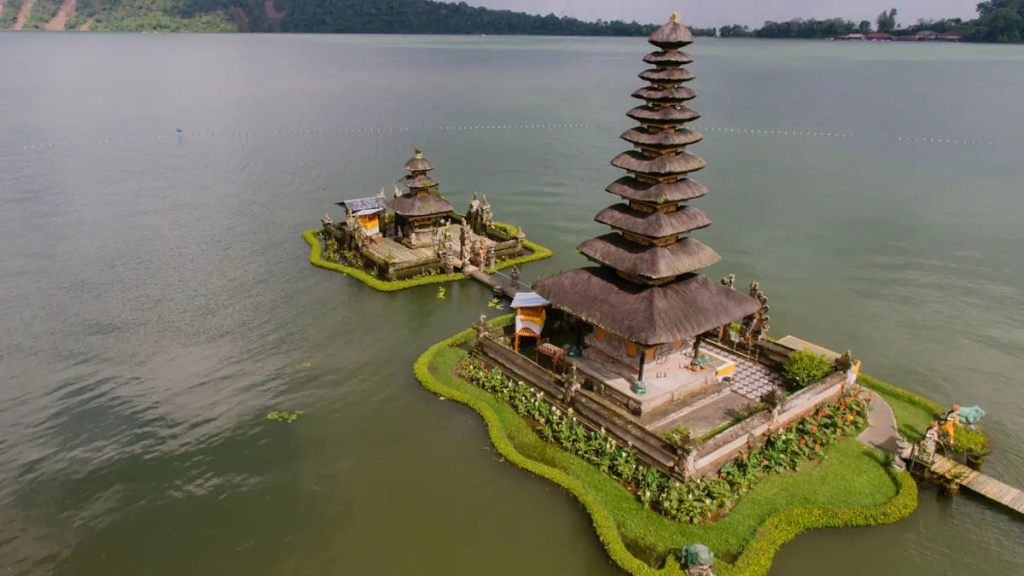
High in the misty mountains of Bedugul, this temple sits on the shores of Lake Beratan.
- The Story: Dedicated to Dewi Danu, the goddess of lakes and rivers, this temple ensures that the island’s irrigation systems (Subak) remain fertile.
- Why Visit: When the lake level rises, the temple appears to float on the water. The cool mountain air and the background of pine-covered peaks offer a refreshing contrast to the tropical heat of the coast.
Part III: The Sacred Protocol – Etiquette for the First-Timer
Visiting a Bali temple is an invitation into a sacred space. To be a respectful guest, follow these four golden rules:
- The Sarong is Mandatory: Both men and women must cover their legs below the knee. Almost every temple provides sarongs for rent (usually around IDR 10,000–20,000), but bringing your own shows a deeper level of preparation.
- Shoulders Matter: While a T-shirt is usually fine, avoid tank tops or crop tops. Bring a light scarf or shawl to throw over your shoulders.
- Mind the “Head”: In Balinese culture, the head is the most sacred part of the body. Never touch someone’s head, and never climb on temple walls or statues to get “the perfect shot.”
- Menstruation Policy: Traditional Balinese custom asks that women who are menstruating refrain from entering the inner temple grounds. This is rooted in ancient concepts of spiritual purity. You will not be “checked,” but respecting this private custom is a mark of a truly mindful traveler.
Part IV: 2026 Travel Tips for Temple Explorers
- Go Early: For the “Instagram-famous” Pura Lempuyang (Gates of Heaven), tourists often start queuing at 5:00 AM. If you want a peaceful experience, aim to arrive at any temple by 7:30 AM.
- The “Mirror Trick”: Be aware that the “water reflection” photos you see of the Lempuyang gates are usually done with a small mirror held under a phone lens. The reality is a dry ground, but the view of Mount Agung is still spectacular!
- Hire a Guide: Most large temples have local guides available at the entrance. For a small tip (IDR 50,000–100,000), they will explain the carvings and stories that you won’t find in any guidebook.
FAQ: Common Questions About Bali Temples
Q: Do I need to pay to enter? A: Yes, most major temples have an entry fee ranging from IDR 30,000 to IDR 150,000 ($2–$10 USD). This money goes toward the maintenance of the site and local village ceremonies.
Q: Can I take photos during a ceremony? A: Generally, yes, but use a zoom lens and stay at the back. Never use a flash during prayers, and never stand higher than the priest.
Q: Are children allowed? A: Absolutely. Balinese culture is very family-oriented. Just ensure they are dressed modestly (mini-sarongs are adorable and available!) and kept relatively quiet in the inner courtyards.
Q: How do I find out if a ceremony is happening? A: Check the Balinese calendar or ask your hotel staff. Every temple has an “Odalan” (anniversary) every 210 days. If you happen to be there during one, it is a magnificent sight of music, dance, and offerings.
Conclusion: More Than Just Stone and Moss
When you visit a temple in Bali, you aren’t just looking at ancient architecture. You are witnessing a living, breathing culture that has survived for over a millennium. You are seeing the gratitude of a farmer, the devotion of a dancer, and the harmony of an island that knows how to keep its soul intact.
Pick one or two temples that resonate with your spirit, dress in your best sarong, and prepare to see the magic of Bali through its most sacred lens.