Jatiluwih Rice Terraces is one of the most worthwhile scenic stops for first-time Bali travelers when you want a slower, more spacious contrast to crowded south Bali routes. The key question is not whether it is beautiful. It is whether the drive time, pacing, and route fit make sense for your trip.
For many visitors, Jatiluwih works best as a half-day or long scenic stop paired with nearby upland areas, not as a rushed add-on squeezed into an overloaded sightseeing plan. The value comes from landscape scale, walking atmosphere, and cultural context rather than from a fast photo stop alone.
This guide helps you decide faster: when Jatiluwih is worth the detour, how long to stay, how to reach it more realistically, which walking style fits first-timers best, and how to place it inside a smoother Bali route.
Fast Pick: Is Jatiluwih Worth Adding to Your Bali Trip?
Use this shortcut before you commit the drive time.
- Add Jatiluwih to your trip: if you want a quieter scenic experience with cultural depth, walking space, and less crowd pressure than more central Bali stops.
- Keep expectations realistic: this is best for landscape lovers and slower travelers, not for visitors chasing fast attraction-hopping.
- Pair it with nearby upland stops carefully: if you want the route to feel efficient instead of turning into a long car day.
- Go earlier in the day: if your priority is better weather, clearer views, and easier walking comfort.
Next step: compare your Bali base with the Bali area fit guide, then map the day with the 5 to 7 day itinerary and the best time to visit Bali guide before you lock the route.
1. The Magic of Jatiluwih – Where Nature and Culture Unite

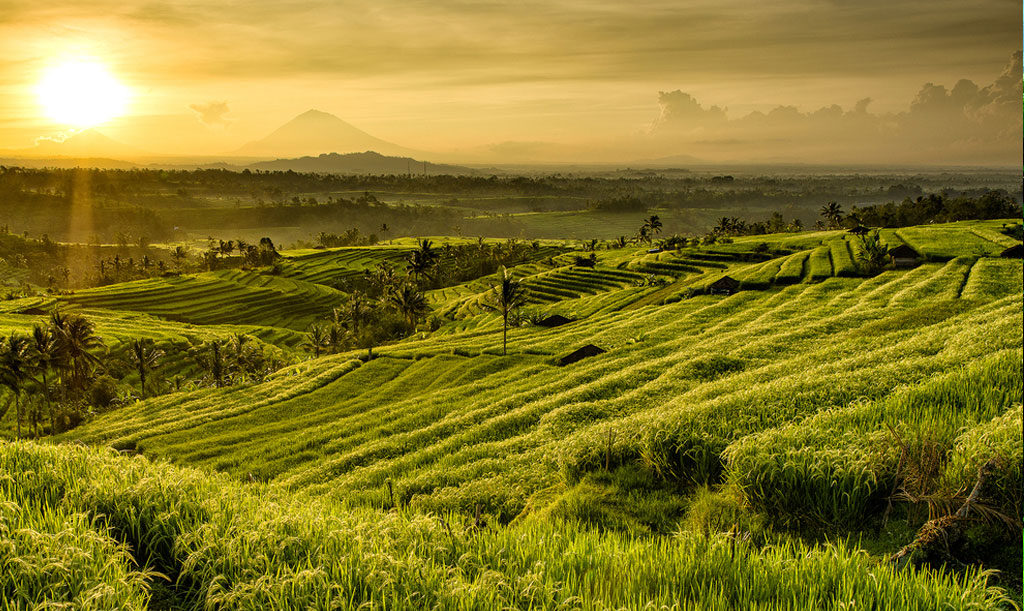
Located in Tabanan Regency, about 50 kilometers northwest of Ubud, Jatiluwih stretches over 600 hectares of rice terraces carved along the slopes of Mount Batukaru.
Unlike smaller terraces elsewhere, Jatiluwih’s scale and balance are extraordinary — it’s Bali’s most complete example of the Subak system, a community-based irrigation method that has sustained the island for over a thousand years.
💬 “Jatiluwih embodies the perfect harmony between God, nature, and humans — a philosophy we call Tri Hita Karana,” explains I Wayan Sutama, a local guide and farmer in the area.
2. Why Jatiluwih Is More Than Just a Scenic View
The Story Behind Its UNESCO Recognition
In 2012, UNESCO declared Jatiluwih Rice Terraces a World Heritage Site, recognizing its role in preserving traditional Balinese farming practices.
This recognition isn’t only about beauty — it’s about sustainability, cultural integrity, and community cooperation.
Today, Jatiluwih stands as one of only a few places in the world where ancient agricultural philosophy meets modern eco-tourism.
The Subak Irrigation System – Bali’s Ancient Wisdom
The Subak system, dating back to the 9th century, is more than just water management. It’s a spiritual and social organization that connects farmers through cooperation and ritual.
Temples scattered throughout the fields, such as Pura Luhur Petali, play a vital role in ensuring harmony between the land, water, and community.
| Key Fact | Description |
| Size of Area | Over 600 hectares |
| Irrigation System | Ancient Subak system |
| UNESCO Status | World Heritage Site (since 2012) |
| Cultural Value | Represents Tri Hita Karana philosophy |
3. How to Get to Jatiluwih Rice Terraces
Best Route from Popular Bali Areas
Jatiluwih is around:
1.5 hours from Ubud (40 km)
2 hours from Seminyak or Canggu (55–60 km)
30 minutes from Bedugul
The drive passes scenic mountain roads and small villages, making the journey as rewarding as the destination.
Private car rentals (around IDR 600,000–800,000 / USD 40–50) are the easiest way to visit.
Entrance Fee and Operating Hours (2026 Update)
| Category | Price (IDR) | USD Equivalent |
| Adults | 50,000 | $3.30 |
| Children | 40,000 | $2.60 |
| Parking | 5,000–10,000 | < $1 |
Open daily: 8:00 a.m. – 6:00 p.m. Tickets are available at the entrance gate or via the official Jatiluwih website.
4. What to See and Do in Jatiluwih
Trekking Routes & Walking Trails
There are five official trekking routes, ranging from short 1 km walks to long 5 km hikes.
Each trail winds through terraces, temples, and bamboo forests.
| Trail | Duration | Highlights |
| Red Trail | 45 mins | Best panoramic views |
| Yellow Trail | 1 hour | Temple route |
| White Trail | 1.5 hours | Deep valley experience |
| Blue Trail | 2 hours | Through local farms |
| Green Trail | 2.5 hours | Extended rice-field trek |
Pro Tip: The Red Trail is perfect for first-time visitors — easy to follow and ideal for drone shots.
Local Cafés and Rice Field Dining
After trekking, stop at cafés like Gong Jatiluwih or Warung Dhea for fresh coconut juice and Balinese fried rice.
Many cafés feature terrace-view decks, where you can relax while watching farmers work in the fields.
Cycling and E-bike Tours
If you prefer wheels to walking, e-bike tours are increasingly popular.
Packages start from IDR 400,000 (USD 25), including guide, helmet, and photo stops — a sustainable way to explore without harming the environment.
5. Best Time to Visit and Photography Tips
| Season | Description | Why Visit |
| February – April | Planting season | Bright green fields |
| May – July | Growing season | Deep lush colors |
| August – September | Harvest season | Golden landscapes |
| October – January | Off-peak | Peaceful, quiet atmosphere |
⏰ Best hours for photography: 7–9 a.m. and 4–6 p.m. (soft golden light).
Bring a wide-angle lens or drone for cinematic results — but respect drone regulations around temples and local homes.
6. Sustainable Tourism and Local Insights
Jatiluwih has become a model for community-based tourism.
All entrance fees are reinvested into:
Maintaining irrigation systems
Supporting local farmers
Funding education and cultural events
Visitors are encouraged to travel responsibly:
Stay on marked trails
Avoid stepping into rice paddies
Support local guides and eateries
💬 “Tourism here should help, not harm. Every step in Jatiluwih should leave only appreciation, not footprints,” says Ni Luh Ayu, coordinator of the Subak Jatiluwih Cooperative.
7. Where to Stay Near Jatiluwih
| Accommodation | Distance | Price (USD/night) | Highlights |
|---|---|---|---|
| Sang Giri Mountain Glamping | 10 mins | $90 | Eco tents, forest views |
| Dewi Sri Guesthouse | 5 mins | $50 | Local family stay, rice field view |
| Batukaru Eco Retreat | 15 mins | $100 | Jungle setting, yoga sessions |
| Adiwana Dara Ayu Villas | 25 mins | $130 | Infinity pool, romantic vibe |
| Accommodation | Price (USD/night) | Price (USD/night) | Highlights |
| Sang Giri Mountain Glamping | 10 mins | $90 | Eco tents, forest views |
| Dewi Sri Guesthouse | 5 mins | $50 | Local family stay, rice field view |
| Batukaru Eco Retreat | 15 mins | $100 | Jungle setting, yoga sessions |
| Adiwana Dara Ayu Villas | 25 mins | $130 | Infinity pool, romantic vibe |
💡 Insider Tip: Stay overnight to see the sunrise — morning mist over the terraces is one of Bali’s most magical sights.
8. Final Thoughts – Experience the Soul of Bali
Jatiluwih Rice Terraces isn’t just a destination; it’s a living heritage that shows how humans and nature can thrive together.
Here, you don’t just take photos — you learn about patience, balance, and the timeless rhythm of rural Bali.
For those seeking a deeper connection with the island, skip the crowds and walk among these fields.
You’ll understand why UNESCO didn’t just recognize Jatiluwih for its beauty — but for its spirit.
Next step: if you are building a broader inland Bali day, continue with the Bali Travel Guide, or check the official Jatiluwih website for ticket and visitor updates.
FAQ – Jatiluwih Rice Terraces
1. Why is Jatiluwih famous?
Because it’s one of Bali’s most complete examples of the Subak irrigation system and recognized as a UNESCO World Heritage site since 2012.
2. How long should I spend in Jatiluwih?
Around 2–3 hours for walking and lunch. Add extra time if you’re cycling or taking photos.
3. Can I visit Jatiluwih on a day trip from Ubud?
Yes! It’s about 1.5 hours each way and easily fits into a half-day itinerary.
4. Is there transportation available?
You can hire private cars, join small-group tours, or rent a scooter (for experienced riders only).
5. Are drones allowed?
Yes, but fly responsibly — avoid temples and crowded areas, and keep altitude under 120 meters.