Snorkeling Nusa Lembongan is one of the strongest first-timer day-trip upgrades from Bali when you want clear water, reef life, and a realistic chance of seeing manta rays without committing to a longer island-hopping itinerary. The key question is not whether it looks beautiful online. It is whether the boat logistics, sea conditions, and site mix fit your comfort level.
For many travelers, Nusa Lembongan works best when expectations are set correctly: some stops are calm and beginner-friendly, others are more exposed, and manta sightings are exciting but never guaranteed. The smartest choice is knowing whether you want an easy snorkeling day, a higher-adrenaline wildlife day, or an overnight island add-on.
This guide helps you decide faster: which snorkeling spots are most worth prioritizing, what beginners should know before booking, how the fast-boat logistics actually feel, and what mistakes to avoid if this is your first marine day trip from Bali.
Fast Pick: Is Snorkeling Nusa Lembongan Right for Your Trip?
Use this shortcut before you commit to the boat day.
Next step: check trip pacing in the 5 to 7 day itinerary, compare your wider Bali base in the Bali area fit guide, and review timing in the best time to visit Bali guide.
Part I: The “Big Three” – Where the Magic Happens
When you book a snorkeling tour in Nusa Lembongan, you aren’t just visiting one spot. Most captains will take you on a “Three Point” odyssey, usually crossing the narrow channel to the neighboring island of Nusa Penida to ensure you see the best of the archipelago.
1. Manta Point / Manta Bay: The Gentle Giants

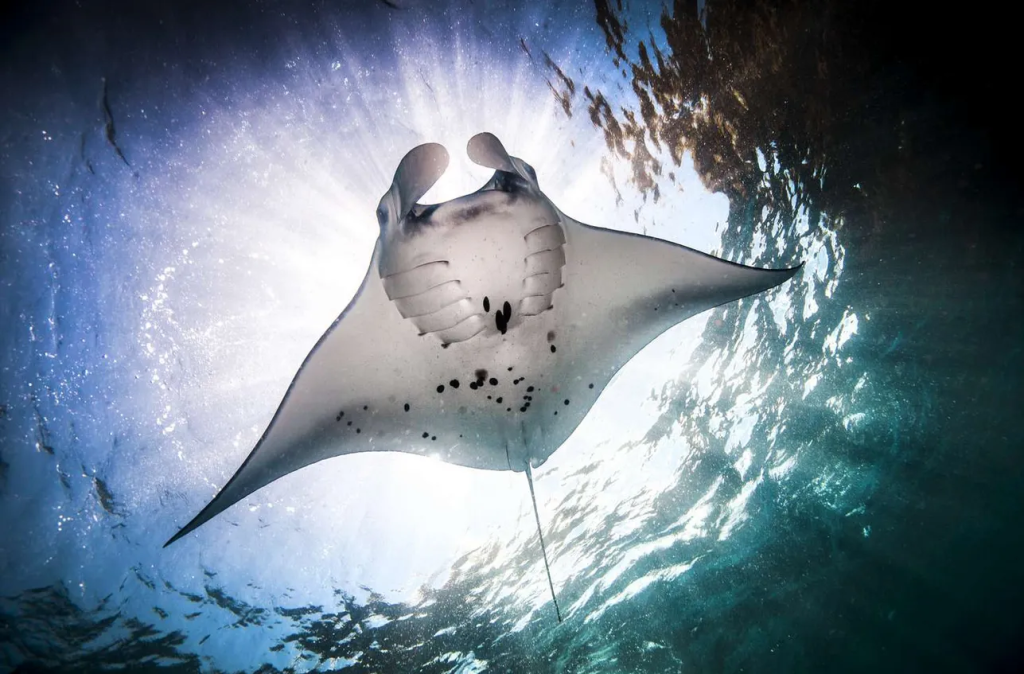
The crown jewel of any Nusa Lembongan snorkeling trip is the chance to swim with the Reef Manta Rays.
- The Experience: These are not stinging rays; they are gentle filter-feeders with wingspans that can reach 4-5 meters. They frequent “cleaning stations” along the limestone cliffs of Nusa Penida.
- The Story: Imagine jumping into the deep blue and, as the bubbles clear, seeing a massive, dark silhouette gliding toward you with effortless grace. They are curious creatures and will often circle snorkelers, coming within a few feet to say hello.
- 2026 Insider Tip: Manta Bay is shallower and closer to Lembongan, making it better for beginners, while Manta Point is more dramatic but can have “bigger” swells.
2. Crystal Bay: The Visibility Legend
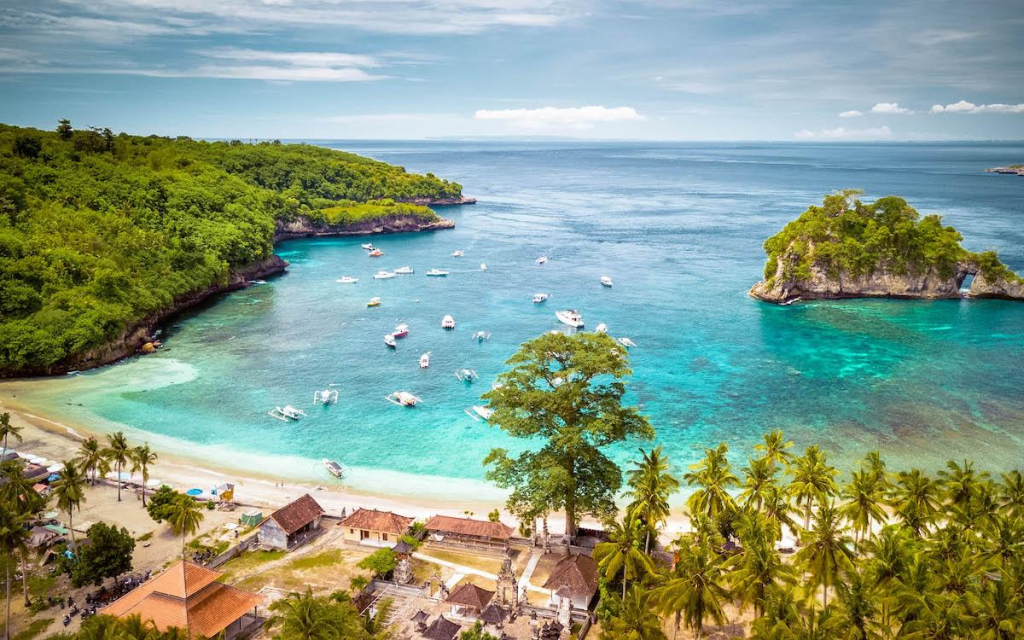
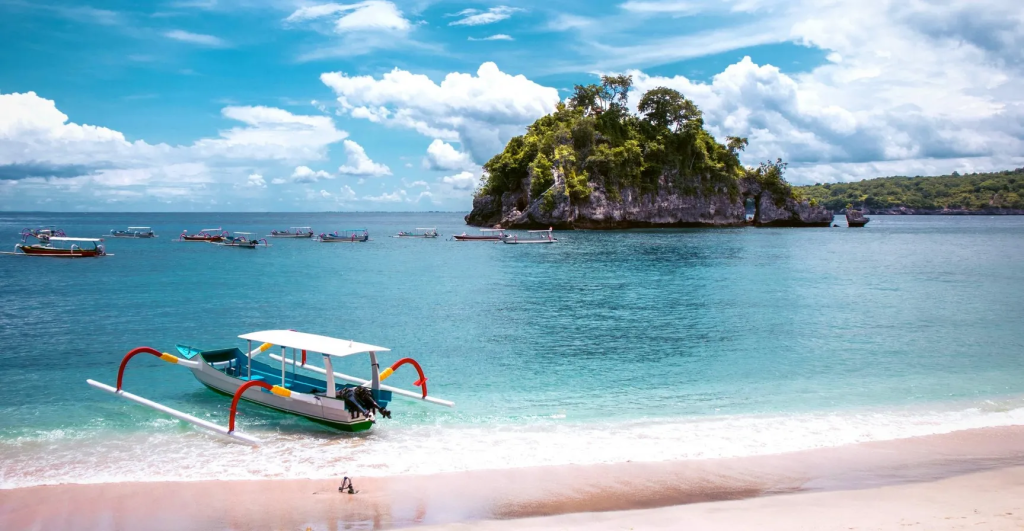
True to its name, Crystal Bay offers some of the best visibility in all of Indonesia. On a clear day, you can see 30 meters down to the sandy floor.
- The Experience: This is a sheltered bay with a rock island in the center. The coral here is incredibly healthy, looking like an underwater bonsai forest.
- The Main Value: This is where you’ll see the “classics”—clownfish (Nemo) darting in anemones, sea turtles grazing on seagrass, and schools of blue-gold fusiliers.
- The Seasonal Surprise: If you visit between July and October, keep your eyes on the deep water; this is the territory of the elusive Mola Mola (Ocean Sunfish), though they usually prefer the deeper water for divers.
3. Mangrove Point: The Drift Discovery
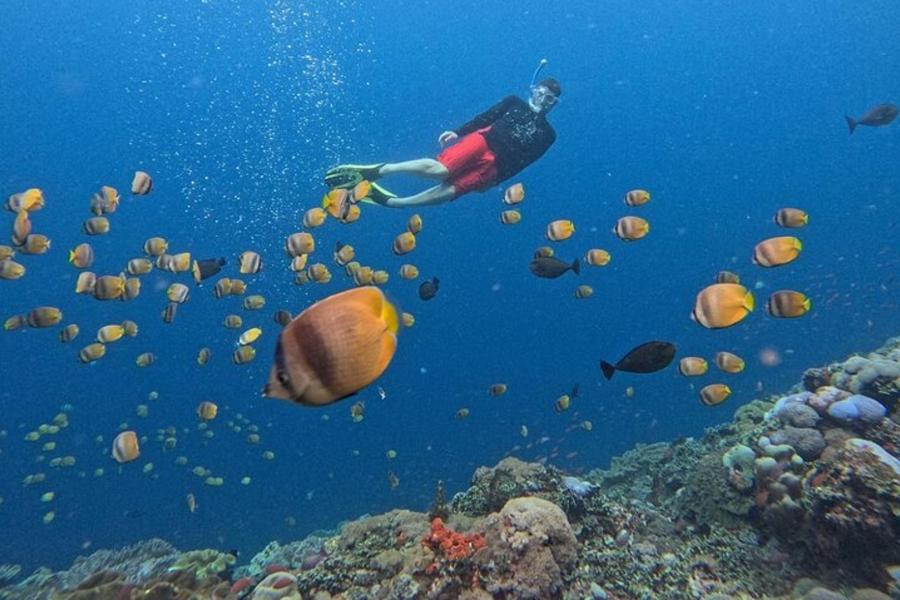
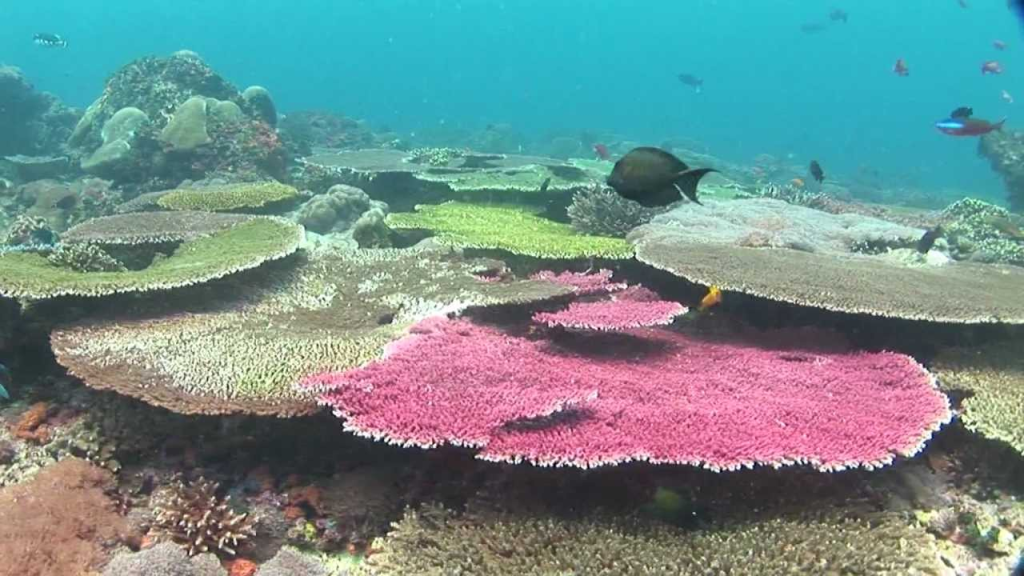
Located on the northern tip of Nusa Lembongan, this spot is unique because the current does the work for you.
- The Experience: This is “drift snorkeling.” Your boat drops you off at one end of the reef, and the gentle current carries you along like a slow-moving conveyor belt of fish.
- The Story: You don’t even have to kick. You simply float face-down and watch the show. It’s like watching a movie in 4K where the “actors” are parrotfish, triggerfish, and vibrant damselfish.
Part II: Why Nusa Lembongan is Unique for Foreigners
Why choose Lembongan over the Gili Islands or Amed? For a first-timer, Lembongan offers a “triple-threat” of value:
- Accessibility: Unlike the Gili Islands (which take 2-3 hours to reach), you can be in the water at Nusa Lembongan just 30 minutes after leaving the Sanur harbor.
- Infrastructure: By 2026, the snorkeling infrastructure in Lembongan has become world-class. You can choose between a rustic “local longboat” experience for a few dollars or a luxury catamaran cruise with a buffet lunch and a glass-bottom viewing area.
- The “Two-Island” Bonus: Because Nusa Lembongan and Nusa Ceningan are connected by the iconic Yellow Bridge, your snorkeling trip often doubles as an island-hopping tour. You get to see the cliffs of Penida, the mangroves of Lembongan, and the blue lagoons of Ceningan in one day.
Part III: The First-Timer’s Logistics – How to Get There
The logistics of reaching the “Nusa” islands used to be the “wild west” of Bali travel. In 2026, it is a streamlined, professional process.
1. The Sanur Launch
Almost all travelers depart from the Sanur Fast Boat Terminal. This new terminal is a game-changer—no more wading through knee-deep water to get on your boat. You walk across a modern pier, scan your QR code, and board.
- Price: A round-trip fast boat ticket costs between IDR 300,000 – 500,000 ($20–$32 USD).
- Time: Boats leave almost every hour between 8:00 AM and 5:00 PM.
2. Booking Your Snorkeling Tour
You have two main options:
- The Day Trip from Bali: This includes pick-up from your hotel in Kuta/Seminyak/Ubud, the fast boat, the snorkeling tour, lunch, and the return trip. Expect to pay $50–$90 USD.
- The “Stay on Island” Method: We highly recommend staying at least one night on Nusa Lembongan. You can book a local captain directly at Jungut Batu beach for about IDR 250,000 – 350,000 ($16–$22 USD). You’ll get to the Manta spots before the big crowds arrive from the mainland.
Part IV: Essential Preparation & Etiquette
To ensure your snorkeling Nusa Lembongan experience is a success, keep these “First-Timer Rules” in mind:
- Sea Sickness: The channel between Bali and the islands can be choppy. If you are prone to motion sickness, take a pill 30 minutes before boarding the fast boat or the snorkeling vessel.
- Reef-Safe Sunscreen: The coral reefs are fragile. Please use biodegradable, reef-safe sunscreen, or better yet, wear a long-sleeve rash guard to protect your skin without chemicals.
- Look, Don’t Touch: This is especially true for the Manta Rays and Turtles. Touching them removes their protective mucus layer and can cause them stress.
- The “Manta Swell”: Manta Bay is often wavy because of the way the ocean hits the cliffs. If you aren’t a strong swimmer, ask your guide for a life jacket or a “buoy ring” to hold onto.
FAQ: Snorkeling Nusa Lembongan
Q: Can I see Manta Rays all year round? A: Yes! Manta Rays are resident to the waters of Nusa Penida and Lembongan 365 days a year. However, sightings are never 100% guaranteed as they are wild animals. Your best chance is in the morning when they are most active.
Q: Is it safe for children? A: Absolutely. Most tour operators provide child-sized life jackets and masks. Sites like Mangrove Point are very calm and perfect for kids.
Q: What if I can’t swim well? A: Don’t worry! Snorkeling is about floating, not swimming. Most guides will provide you with a life vest that keeps you effortlessly buoyant. Many guides also bring a “life ring” that you can hold onto while they pull you over the best coral spots.
Q: What should I bring? A: A towel, a change of clothes, a waterproof phone case (or GoPro), and a small amount of cash for “island snacks” or a tip for your captain.
Conclusion: The Call of the Deep
A trip to Bali without seeing its underwater world is like reading a book but skipping the most exciting chapters. Snorkeling Nusa Lembongan offers you a front-row seat to one of the most vibrant ecosystems on the planet. Whether it’s the adrenaline of seeing a Manta Ray or the peace of drifting over a coral garden, this is the experience that will define your Bali memories.